Understanding Modular Buildings and Their Benefits
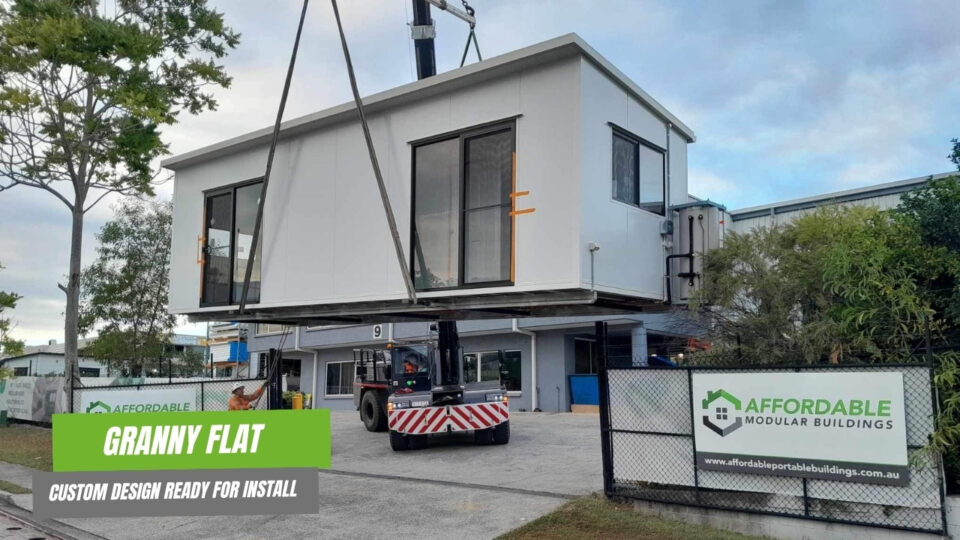
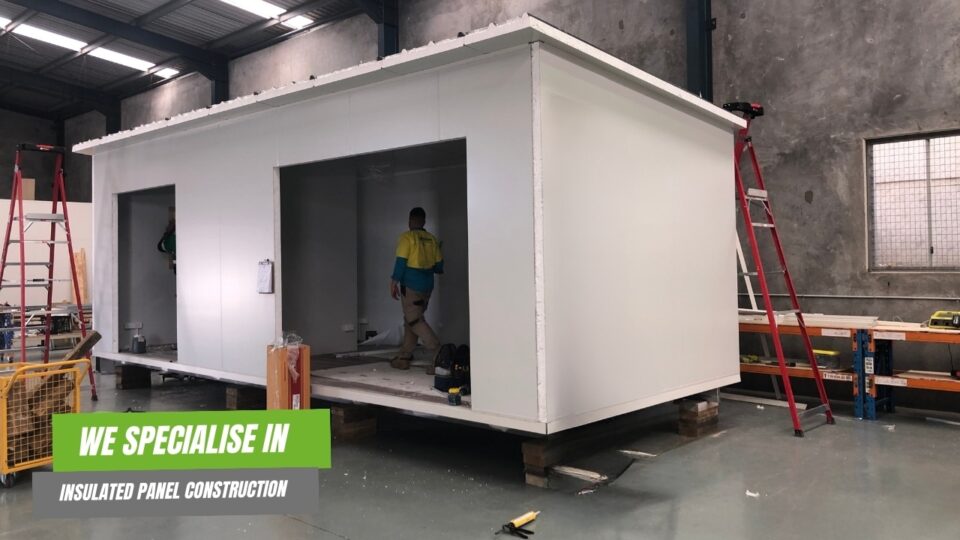
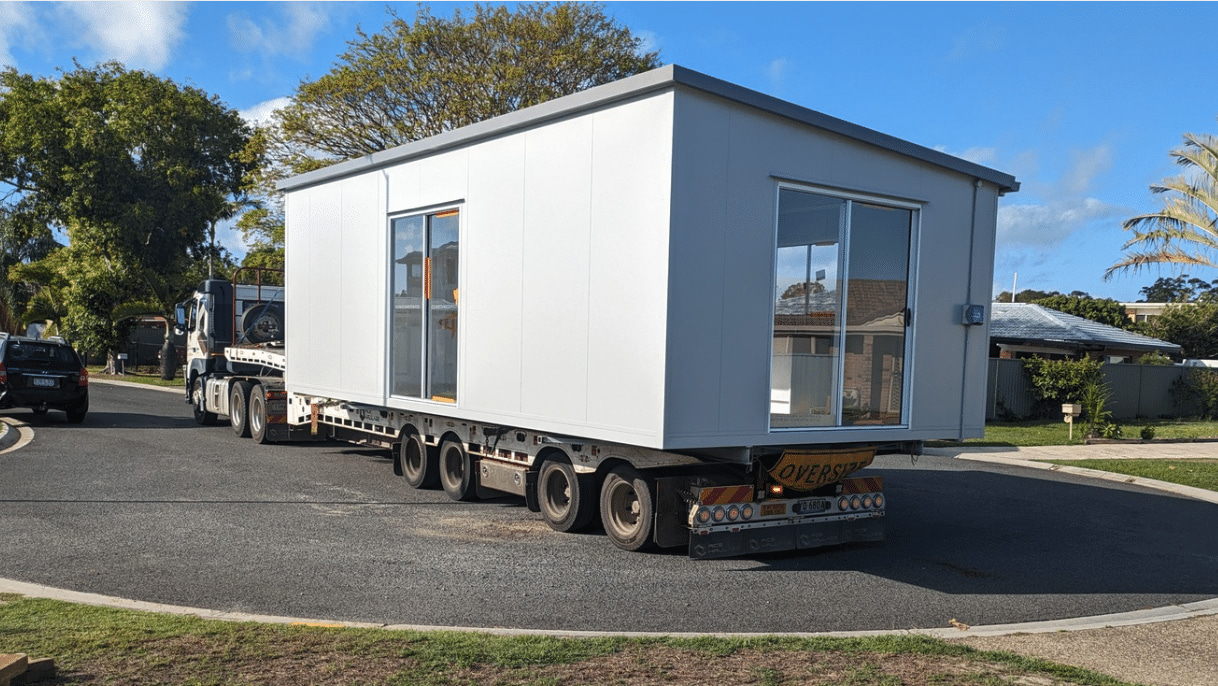
Modular buildings are an increasingly popular choice for individuals, businesses, and institutions seeking flexible, efficient, and cost-effective building solutions. Unlike traditional construction methods, modular buildings are manufactured in sections or “modules” off-site in a factory-controlled environment. These modules are then transported to the final location and assembled to form the complete building structure. This process reduces on-site work, enhances construction quality, and significantly speeds up project timelines.
The flexibility of modular buildings makes them suitable for various purposes, from classrooms and offices to healthcare facilities and temporary housing. This article explores the numerous benefits of modular buildings, focusing on their cost and time-saving advantages. By understanding how modular construction differs from conventional methods, we can see why it’s becoming the go-to choice for affordable, efficient building projects.
Key benefits of modular buildings include:
- Cost Savings: The prefabrication process allows for bulk material purchases, reducing overall construction costs. Additionally, faster completion times reduce labour costs and other expenses associated with lengthy projects.
- Time Efficiency: Modular buildings can be constructed in a fraction of the time needed for traditional buildings, often leading to a 30-50% reduction in project timelines.
- Environmental Benefits: Modular construction is often more sustainable, with fewer material waste and better resource management.
Cost-Effectiveness of Modular Buildings
One of the most significant advantages of modular buildings is their cost-effectiveness. Traditional construction projects can be lengthy and expensive, often requiring substantial investments in materials, labour, and time. Modular buildings, on the other hand, are designed with affordability in mind, offering a viable solution for both small-scale and large-scale building needs.
The cost-saving elements in modular buildings stem from several factors:
- Bulk Material Purchasing: Since modular buildings are fabricated in factories, companies can purchase materials in bulk, resulting in lower costs per unit. This bulk purchasing significantly reduces expenses, allowing manufacturers to pass these savings onto their clients.
- Reduced Labour Costs: Labour is a considerable part of any construction budget. By completing up to 90% of the building in a controlled factory setting, modular construction reduces on-site labour requirements, leading to decreased labour expenses. This controlled environment also minimises delays often caused by weather and site-related issues.
- Minimised Site Disruptions: Since the majority of construction occurs off-site, modular buildings reduce on-site disruptions, which can sometimes halt or slow down traditional construction. This streamlined process contributes to lower associated costs, such as site maintenance and management expenses.
- Reduced Material Waste: Modular construction tends to produce less material waste. In traditional construction, materials can be damaged or go unused, but factory-based fabrication limits these issues. This not only saves money but also supports sustainable practices that benefit the environment.
When compared to conventional construction, modular buildings offer a more predictable and budget-friendly solution without sacrificing quality or durability. As a result, businesses, schools, and even residential projects are increasingly adopting modular solutions as a cost-effective alternative.
Time Efficiency of Modular Buildings
Time efficiency is a major advantage that sets modular buildings apart from traditional construction. In many cases, a modular building project can be completed 30-50% faster than conventional methods. This accelerated timeline stems from the unique off-site construction process, which allows various phases of the project to happen simultaneously, reducing potential delays and enabling quicker delivery of the final product.
Key factors contributing to the time-saving nature of modular buildings include:
- Parallel Construction: Unlike traditional construction, where site preparation and building assembly must happen in sequence, modular construction allows these activities to take place concurrently. While site foundations are being prepared, the modules are constructed in a factory, allowing both processes to move forward without interference. This parallel approach drastically shortens the overall timeline.
- Controlled Environment: Factory-controlled environments mean that modular buildings are less vulnerable to delays from unpredictable factors like weather. Construction is not paused due to rain, snow, or other weather conditions, allowing for a smoother workflow and more reliable project completion dates.
- Quick Assembly On-Site: Once the modules are complete, they are transported to the site for rapid assembly. The streamlined assembly process enables modular buildings to be installed and ready for use in a matter of days or weeks, depending on the project’s scope. This is especially beneficial for businesses, schools, and other organisations that need new facilities promptly.
- Reduced Downtime: Modular construction minimises the downtime typically associated with traditional building projects. Faster construction times mean that the building can be put to use sooner, allowing businesses to generate revenue faster and organisations to start serving their intended purpose without delay.
By reducing construction timelines, modular buildings also help lower associated costs like on-site management and equipment rentals. This efficiency makes modular buildings ideal for projects with tight schedules or urgent building needs, giving clients a reliable and prompt solution.
Environmental and Quality Benefits of Modular Buildings
Beyond cost and time efficiency, modular buildings also offer notable environmental and quality benefits. As sustainability becomes increasingly important, modular construction provides a greener alternative to traditional building methods, aligning with the needs of eco-conscious individuals and organisations. Additionally, the factory-controlled environment in which modular buildings are constructed ensures consistent quality and adherence to industry standards, making modular buildings both eco-friendly and durable.
- Reduced Waste: Modular construction is designed to be resource-efficient. In a controlled factory setting, materials are carefully measured and used according to precise plans, significantly reducing waste. Offcuts and leftover materials can be repurposed or recycled within the facility, which is often challenging at traditional construction sites. By minimising waste, modular buildings support more sustainable construction practices that lessen environmental impact.
- Energy Efficiency: Factories that specialise in modular buildings are often optimised for energy efficiency. The reduced need for heavy machinery and the ability to produce buildings quickly translates to lower energy consumption compared to prolonged on-site construction processes. Additionally, many modular buildings are designed with energy-efficient materials and systems, contributing to lower operational energy costs once the building is in use.
- Quality Control: In a factory setting, quality control measures are applied consistently across all building modules. Each module is constructed according to the same standards, ensuring that all parts fit together seamlessly and perform optimally. Inspections occur throughout the production process, making it easier to identify and resolve any issues early on. As a result, modular buildings offer consistent quality and meet or exceed regulatory standards.
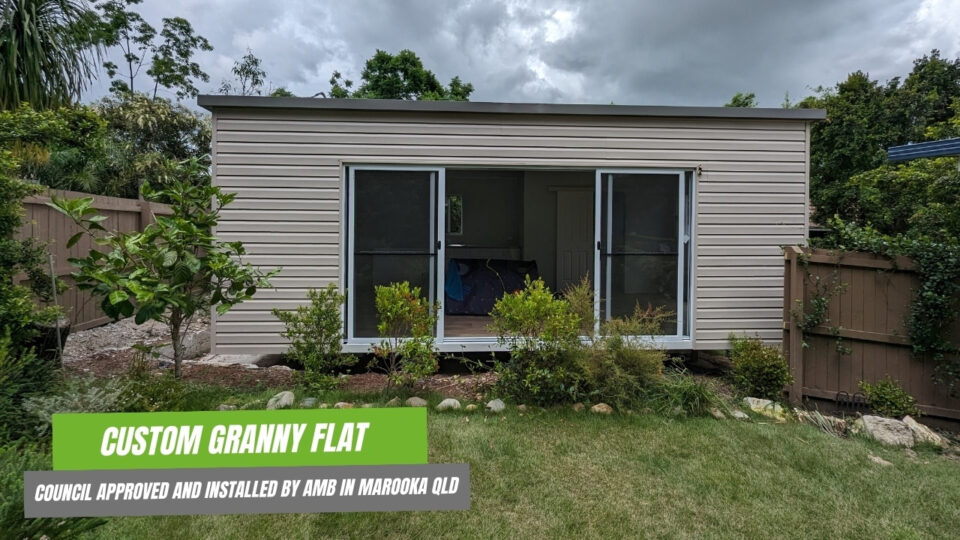
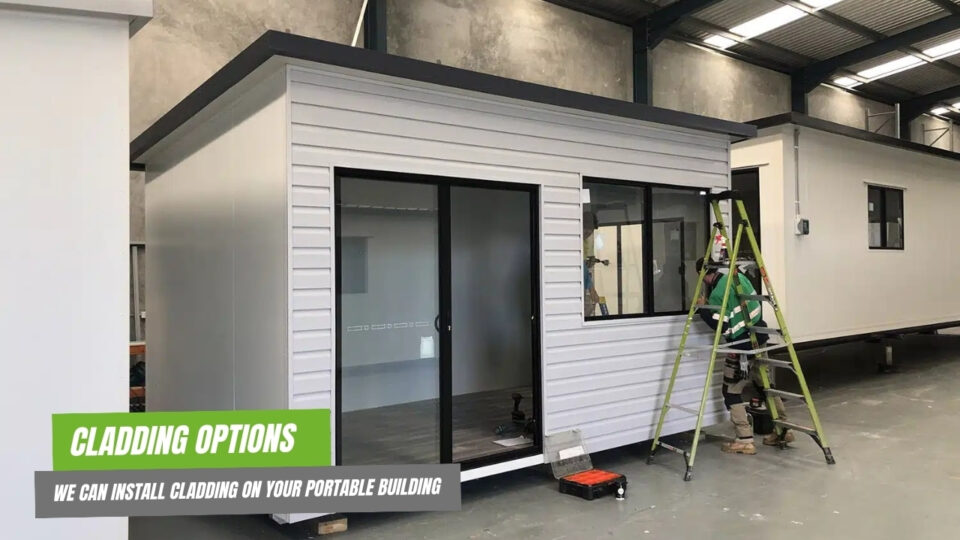
- Design Flexibility: Modular construction allows for a high degree of customisation, enabling builders to create structures tailored to specific needs. Whether designing for a classroom, office, or healthcare space, modular buildings can be adapted with various layouts and finishes. This flexibility is paired with the strength and durability required for long-lasting use, offering clients reliable, adaptable structures that meet their specific functional requirements.
Unlock the Benefits of Modular Construction Today
Modular buildings represent the future of efficient, cost-effective construction. By opting for modular solutions, you gain the advantages of faster timelines, reduced costs, and an eco-friendly building process. With their customisable designs and high-quality standards, modular buildings are perfectly suited to meet diverse needs, whether for business, education, healthcare, or residential use.
If you’re ready to transform your project with a modular building solution, explore the possibilities today. Connect with our team at Affordable Modular Buildings to learn how we can help you bring your vision to life with a modern, sustainable approach to construction.
H2 Heading for SEO
Feature Heading For Article Slider
Sed dignissim, metus nec fringilla ventus accumsan, risus sem sollicitudin lacus, ut interdum tellus elit sed risus.